
Your handbook is on its way to your inbox.
You're one of 6,000+ parents who've asked for it
Your handbook is on its
way to your inbox.
You're one of 6,000+ parents who've asked for it
Wait, before you open your handbook
Reading about your child is one thing. Knowing what
to do when the meltdown starts is the other half.
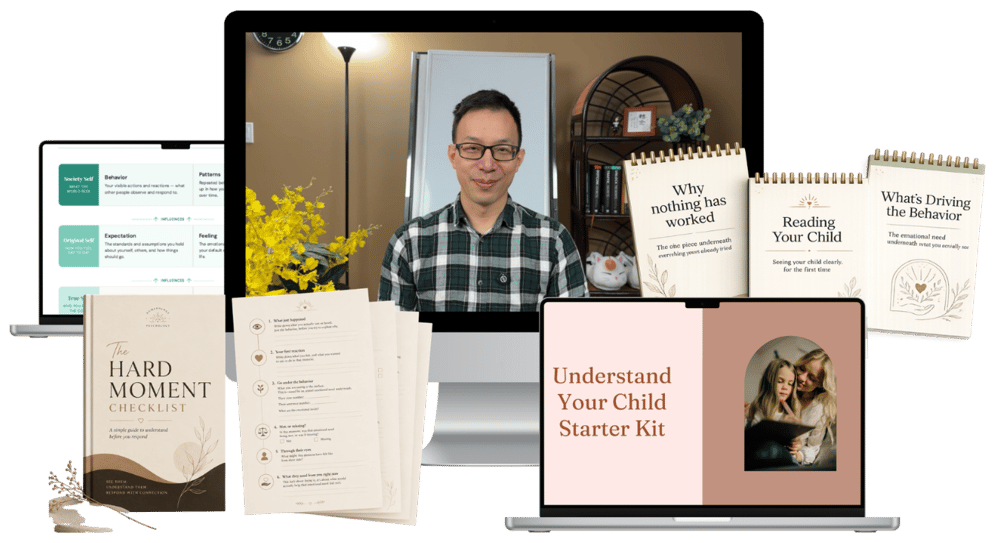
Your handbook shows you who your child is. My Understand Your Child:
Starter Kit shows you the other half: understanding your child, and yourself,
so guidance comes from connection instead of anger.
Wait, before you open your handbook
Reading about your child is one thing. Knowing what to do when the meltdown starts is the other half.
Your handbook shows you who your child is. My Understand Your Child: Starter Kit shows you the other half: understanding your child, and yourself, so guidance comes from connection instead of anger.
Watch my first lesson free.
"Why nothing you've tried has worked"
(about 7 min)
That's the first of the 22 lessons inside.
$118 value · One payment · Lifetime access · 22 videos, about 3 hours
"Your videos have helped me pause and take a step back, to be able to nurture all of our kids the way that I never was."
A mom of two
Watch my first lesson free.
"Why nothing you've tried has worked" (about 7 min)
That's the first of the 22 lessons inside.
$118 value · One payment · Lifetime access ·
22 videos, about 3 hours
"Your videos have helped me pause and take a step back, to be able to nurture all of our kids the way that I never was."
A mom of two
You'll recognize your child in the handbook.
Then the next hard moment comes.
And the thoughts afterward sound like this:
“I knew what she needed. I still said the same thing I always say.”
“I keep repeating myself, and nothing changes.”
“I tried what I read, and it made it worse.”
“Am I being too soft with him, or too hard?”
“I lost my patience again. Now I feel guilty.”
She used to tell me everything. Now it's just "fine."
Reading about your child and knowing what to do at the moment are two different things. That's the other half.

You'll recognize your child in the handbook. Then the next hard moment comes.
And the thoughts afterward sound
like this:
“I knew what she needed. I still said the same thing I always say.”
“I keep repeating myself, and nothing changes.”
“I tried what I read, and it made it worse.”
“Am I being too soft with him, or too hard?”
“I lost my patience again. Now I feel guilty.”
She used to tell me everything. Now it's just "fine."
Reading about your child and knowing what to do at the moment are two different things. That's the other half.
The part nobody sees
What the same hard moment can turn into
When I was a kid, I went through a quiet kind of darkness, the kind you carry alone because no one really sees it. I could tell my parents loved me. It just didn't feel like they understood me.
That's what the same moment, repeated, can turn into. Not one big fight. A child who slowly stops coming to you. Even when the correction works, the connection starts to become distant.
A child may not remember every sacrifice you made, but they will remember whether they felt safe coming to you when something hurt.
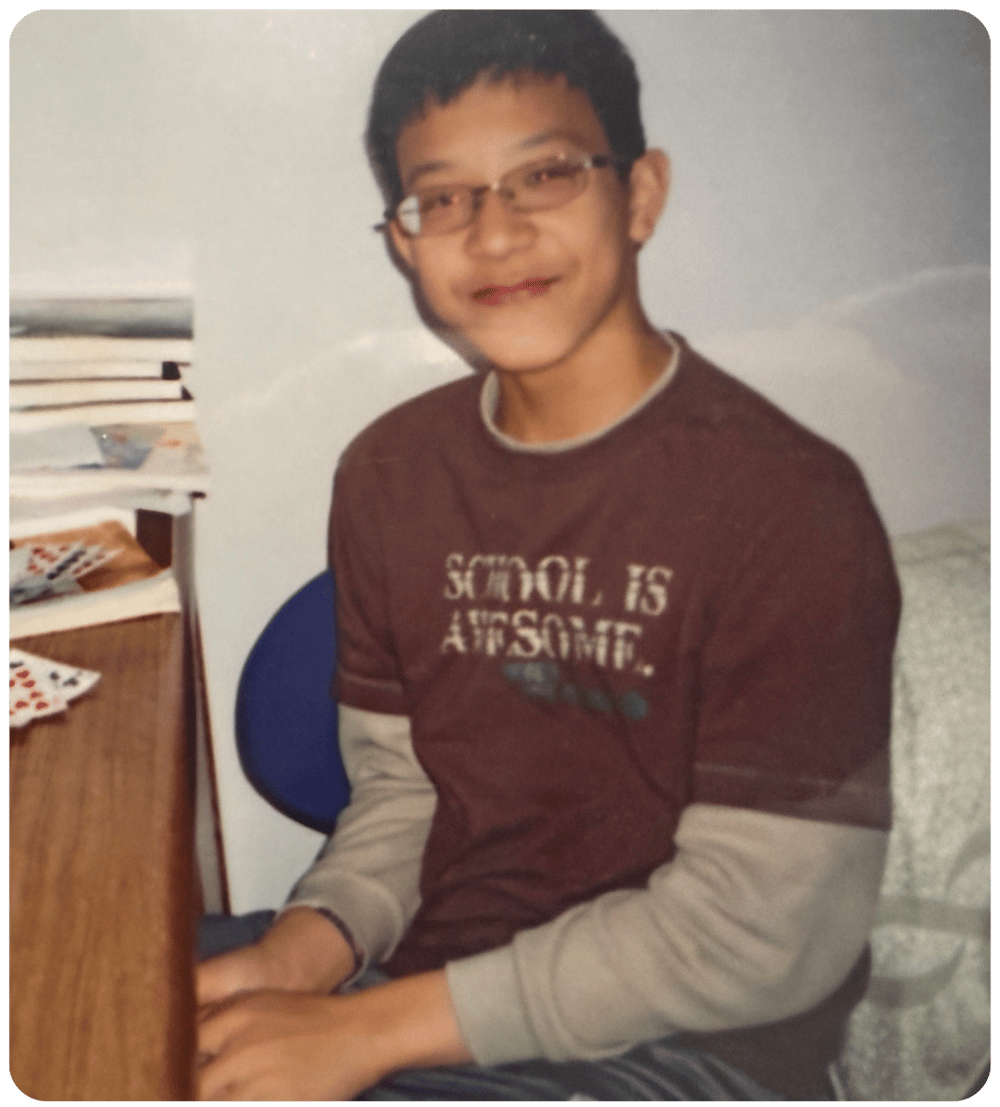
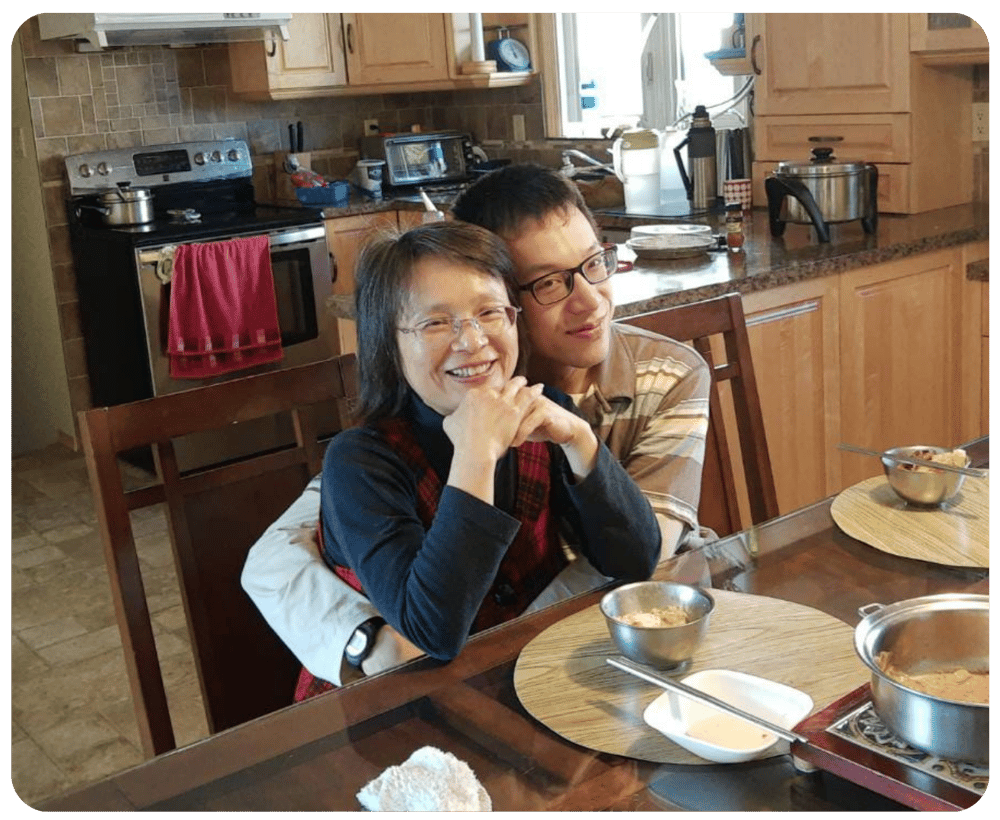
And time matters. I think of kids like clay. The older they get, the more the clay sets, and the longer change takes, because by then they already have their picture of you: "Mom and Dad are always like this."
Here's the good news. It's the same moment that keeps coming back, so it's one moment you can change, starting this week. That's why I made this: to help families connect before disconnection turns into distance.
The part nobody sees
What the same hard moment can turn into
When I was a kid, I went through a quiet kind of darkness, the kind you carry alone because no one really sees it. I could tell my parents loved me. It just didn't feel like they understood me.
That's what the same moment, repeated, can turn into. Not one big fight. A child who slowly stops coming to you. Even when the correction works, the connection starts to become distant.
A child may not remember every sacrifice you made, but they will remember whether they felt safe coming to you when something hurt.
And time matters. I think of kids like clay. The older they get, the more the clay sets, and the longer change takes, because by then they already have their picture of you: "Mom and Dad are always like this."
Here's the good news. It's the same moment that keeps coming back, so it's one moment you can change, starting this week. That's why I made this: to help families connect before disconnection turns into distance.
Advice misses for two reasons.
Your handbook fixes one.
In my first lesson, I explain it like this. The first reason is that you don't know what your child needs. Your handbook starts to fix that.
The second reason is the approach. Most of us swing to one side. Very gentle, very calm. Or strict, because that's how we were raised. I grew up in a very Asian background. Some kids got the belt, some got the slippers. I got the hanger.
Neither side works on its own. What works is the order: connect first, in the way your child needs, then correct. When your child feels understood, the correction lands. When they don't, even good advice bounces off.
And by correct, I don't mean punish. I mean the lesson, the boundary, the "not like that," said in a way your child can actually take in.


What feels like reassurance to one child can feel like being talked down to by another. What connection looks like depends on the number. For a 1, it means letting them try first. For a 2, a few minutes beside them. For a 3, noticing their effort out loud. For a 4, a heads-up before plans change. For a 5, saying it once, then giving them room.
You don't have to throw away what you've learned or ignore your own experience. You'll just know which parts fit your child.
Something my culture taught me:
In Chinese, the word for love, ài, sounds just like the word for obstruction. Love that doesn't fit your child can get in their way.
And there's one more trap. When parents only read the profiles, many start to label their child, or decide the chart isn't accurate. Then nothing changes at home. That's why the Starter Kit starts with the psychology underneath, before the numbers.
Advice misses for two reasons. Your handbook fixes one.
In my first lesson, I explain it like this. The first reason is that you don't know what your child needs. Your handbook starts to fix that.
The second reason is the approach. Most of us swing to one side. Very gentle, very calm. Or strict, because that's how we were raised. I grew up in a very Asian background. Some kids got the belt, some got the slippers. I got the hanger.
Neither side works on its own. What works is the order: connect first, in the way your child needs, then correct. When your child feels understood, the correction lands. When they don't, even good advice bounces off.
And by correct, I don't mean punish. I mean the lesson, the boundary, the "not like that," said in a way your child can actually take in.

What feels like reassurance to one child can feel like being talked down to by another. What connection looks like depends on the number. For a 1, it means letting them try first. For a 2, a few minutes beside them. For a 3, noticing their effort out loud. For a 4, a heads-up before plans change. For a 5, saying it once, then giving them room.
You don't have to throw away what you've learned or ignore your own experience. You'll just know which parts fit your child.
Something my
culture taught me:
In Chinese, the word for love, ài,
sounds just like the word for
obstruction. Love that doesn't fit
your child can get in their way.
And there's one more trap. When parents only read the profiles, many start to label their child, or decide the chart isn't accurate. Then nothing changes at home. That's why the Starter Kit starts with the psychology underneath, before the numbers.
What a profile can't tell you
A profile says what your child needs. The Starter Kit shows you why, so you can work
out what to do in moments no list covers. A few things you'll understand:

Why telling a 3 to stop makes them do it bigger, and the one thing that ended a tantrum in a restaurant.
Why a 1 tunes out the longer you explain, and what to say instead of the lecture.
Why almost every parent has a 1 in their chart and almost every child has a 2, and the clash that comes from it.
Why your 8 blows up over something small, and why it was never about the small thing.
Why a 7 won't act on your answer, even a good one, until they've worked it out themselves.
Why the child who feels easier is usually the one most like you.
What the mom in my real-life gamer son case study did instead of another fight about the games.
What a profile can't
tell you
A profile says what your child needs. The Starter Kit shows you why, so you can work out what to do in moments no list covers. A few things you'll understand:
Why telling a 3 to stop makes them do it bigger, and the one thing that ended a tantrum in a restaurant.
Why a 1 tunes out the longer you explain, and what to say instead of the lecture.
Why almost every parent has a 1 in their chart and almost every child has a 2, and the clash that comes from it.
Why your 8 blows up over something small, and why it was never about the small thing.
Why a 7 won't act on your answer, even a good one, until they've worked it out themselves.
Why the child who feels easier is usually the one most like you.
What the mom in my real-life gamer son case study did instead of another fight about the games.
Take a peek inside
I recorded this before adding the 3 bonuses. You'll find them in their own Bonuses module.
A guided way to read your child's chart and make sense of what they need. Your handbook
gives you a place to start. Inside, I help you take the next step: read your child's top number
and entrance number together, and use what you learn in everyday moments.
22 short videos in 4 modules, about 2 hours in all. Watch on your phone, at your own pace.

Why advice misses your child, connection before correction, what sits under the behavior, me reading a child's chart, and the #1 way parents misread their own child.

Work out your child's chart from their birthday with a pen and paper, then read the top and entrance numbers together.

About 7 to 10 minutes each: what that child needs, what sets them off, and why.

Putting It Together, to trace a hard moment back to the need. The Gamer Son Case Study. And Reading Yourself, a lesson on how your own number shapes the way you respond.

For right after it happens, before you respond.
Plus 3 bonuses · With purchases through December 31, 2026

You'll find all three in the Bonuses module of your course.
Take a peek inside
I recorded this before adding the 3 bonuses. You'll find them in their own Bonuses module.
A guided way to read your child's chart and make sense of what they need. Your handbook gives you a place to start. Inside, I help you take the next step: read your child's top number and entrance number together, and use what you learn in everyday moments.
22 short videos in 4 modules, about 2 hours in all. Watch on your phone, at your own pace.
Why advice misses your child, connection before correction, what sits under the behavior, me reading a child's chart, and the #1 way parents misread their own child.
Work out your child's chart from their birthday with a pen and paper, then read the top and entrance numbers together.
About 7 to 10 minutes each: what that child needs, what sets them off, and why.
Putting It Together, to trace a hard moment back to the need. The Gamer Son Case Study. And Reading Yourself, a lesson on how your own number shapes the way you respond.
For right after it happens, before you respond.
Plus 3 bonuses · With purchases through December 31, 2026
You'll find all three in the Bonuses module of your course.
Your handbook vs the Starter Kit
One mom, one hard moment
"I used to keep trying to reason with her… which only escalated things. Recently, when she refused
lunch and demanded noodles, I stopped trying to convince her into eating. I calmly explained once
that lunch was already prepared and we could have noodles for dinner, then I stepped back
instead of continuing to engage. She eventually chose to eat on her own, and I could actually see
how much calmer and more in control she felt. That moment really stayed with me."
FANNY L.
TCM doctor and mom of two
Your handbook vs
the Starter Kit
One mom, one hard moment
"I used to keep trying to reason with her… which only escalated things. Recently, when she refused lunch and demanded noodles, I stopped trying to convince her into eating. I calmly explained once that lunch was already prepared and we could have noodles for dinner, then I stepped back instead of continuing to engage. She eventually chose to eat on her own, and I could actually see how much calmer and more in control she felt. That moment really stayed with me."
FANNY L.
TCM doctor and mom of two
You have two choices
You can read the handbook and work out the other half on your own, one
hard moment at a time. Or you can let me walk you through it, with your
child's numbers in front of you.
Everything you get today
(22 videos, about 2 hours)
Total Value $118
Your price today
$27
77% off the total valueOne payment · Lifetime access · Less than a takeout night for the family
Secure checkout · Instant access

My 30-Day "Actually Makes Sense" Guarantee. Watch the lessons, print the checklist, watch the case study. If it doesn't click, email support@ian-lin.com within 30 days for a full refund. No hoops, and the checklist is yours to keep.
You have two choices
You can read the handbook and work out the other half on your own, one hard moment at a time. Or you can let me walk you through it, with your child's numbers in front of you.
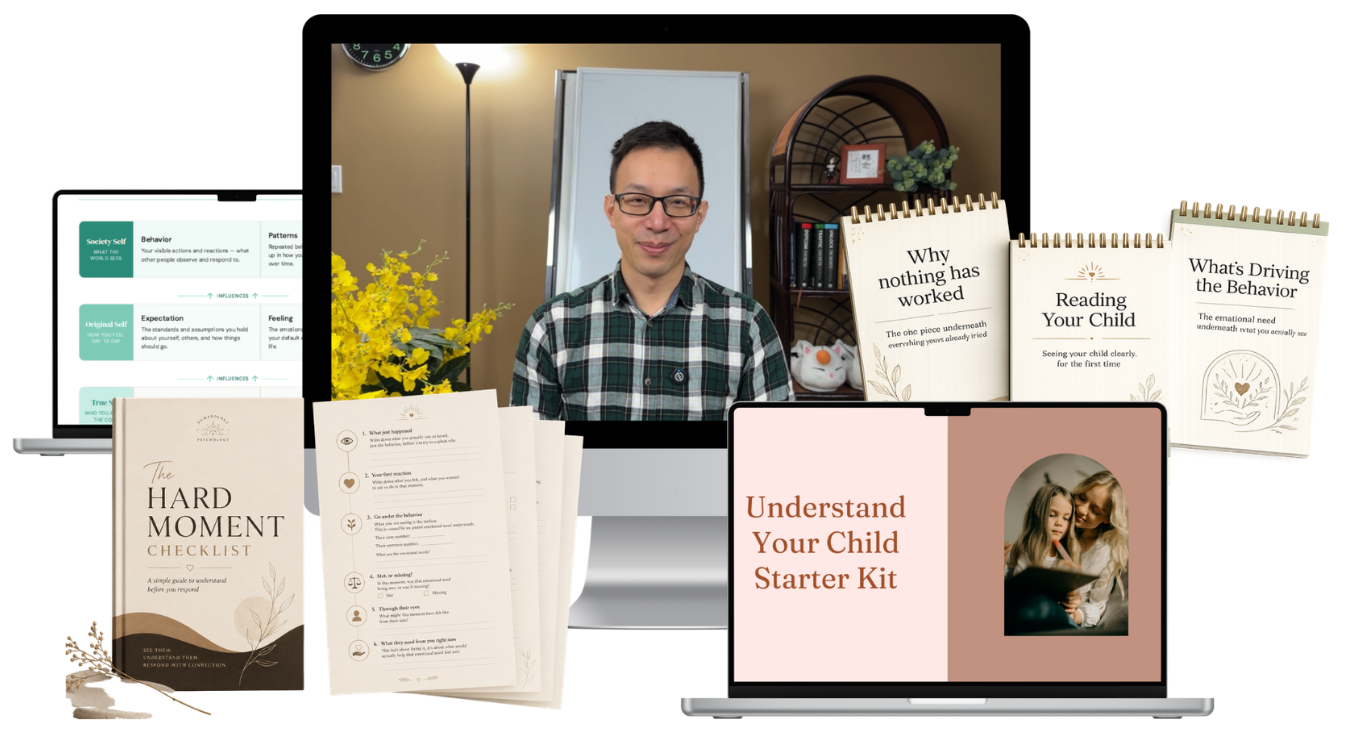
Everything you get today
Starter Kit (22 videos,
about 2 hours)
Checklist
That, by Number
Noticing Log
Your Child Series Library
Total Value $118
Your price today
$27
77% off the total valueOne payment · Lifetime access · Less than a takeout night for the family
Secure checkout · Instant access
My 30-Day "Actually Makes Sense"
Guarantee. Watch the lessons, print
the checklist, watch the case study.
If it doesn't click, email
support@ian-lin.com within 30 days
for a full refund. No hoops, and the
checklist is yours to keep.
Questions
Isn't this the same as the handbook? Do I need to read it first?
No, and no. The handbook is the what: a page on each number. The Starter Kit is the why and the how: the psychology under the behavior, connection before correction, and me walking through a real family's situation, so you can work out what to do in moments the handbook doesn't list. You don't need to read anything first. The Starter Kit starts from the beginning: the psychology first, then how to find your child's numbers.
Does this work for stubborn, withdrawn, or just plain confusing kids?
Yes. Those are the kids most advice misses, because it's written for the average child. You learn to read your own child. The boy in my real-life case study shut himself in his room and argued every time his mom tried to talk to him.
I have more than one child. Do I need a kit for each?
No. One Starter Kit covers every child in your house. Work out each child's chart, and the number videos cover all nine numbers, so whatever numbers your kids have, the video is there. You'll also see how the same problem can need a different approach with each child. You can use it on yourself too.
I have twins (or triplets). Won't they have the same chart?
Yes, the same birthday gives the same chart. But each number is like a seed, and the same seed can grow into two very different plants. It depends on the nourishment: the time you spend with each one, your tone, the quality of that time, how you interact with them, even whether one feels favored. Their friends and their own experiences shape them too. So your twins share the same core needs, and each one can show them in a different way. (Born on either side of midnight? Then they have two different charts.)
What if my child doesn't seem to match their number?
That's the most common thing parents tell me, so I made a whole lesson on it. A number isn't a label. A trait you don't see yet is often one that hasn't been nourished. And the top number is about 60% of your child, so not every line will fit.
Can't I just ask ChatGPT?
It will give you tips for "kids that age." Those are the generic tips I talk about in the first lesson. The Starter Kit shows you how to read your own child, so you know which advice fits them and which doesn't.
Is this astrology, or another personality quiz?
No. It starts with the study of numbers, and then it's combined with modern psychology on human needs and behavior, the kind psychologists have used for decades. It's not about predicting your child's future. It's about understanding what they need right now. In the course, that's Virginia Satir's iceberg and my three-layer model of what sits under your child's behavior. There's a whole lesson on it: "This Isn't a Personality Quiz."
Is this gentle parenting?
It's closest to conscious parenting, the approach I follow: understanding your child, and yourself, before you react. What's different is that it's built around your specific child's needs, by number. And it doesn't mean no boundaries. The lesson still gets taught, in a way your child can actually hear.
What if I don't have much time right now?
You don't need a week of free time. The whole course is about 2 hours, and each number video is 7 to 10 minutes, so even one lesson on your phone can make something click. Your access is for life.
Will this work for my child's age?
Yes. The needs your child was born with stay the same as they grow up. What changes is how those needs show up, from little kids all the way to teens. With older kids, change can take a little longer, because they already have a picture of how Mom and Dad react. It still works. Just give it time.
What if I get stuck or have questions?
Start with the core lessons, then the video for your child's top number, and go at your own pace. If you get stuck, email support@ian-lin.com and we'll help you.
I'm not sure this is for me.
If you've read this far, something here probably sounds like your home. This is the easiest, lowest-pressure place to start finding out. And if it doesn't click, email support@ian-lin.com within 30 days for a full refund, and keep the checklist.
Ian Lin · Serenes Academy
Helping parents understand their child, so every kid grows up feeling safe, seen and loved at home.
Questions? support@ian-lin.com
This is an educational course. Number Psychology isn't a clinical assessment. Results vary from family to family and depend on each family's circumstances and how they use what they learn.
Privacy Policy · Terms of Service
© 2026 Serenes Academy. All Rights Reserved.